


How permits, insurance, weather, crew depth and compliance shape the true cost of filmmaking on location
Film incentives can make a destination look financially attractive, but they rarely tell the full financial story. Permits, insurance requirements, weather risks, compliance rules and crew gaps can quickly change the actual price of a location.
For example, in its prime, the Michigan film incentive program was offering up to a 40% refundable tax credit on eligible productions. The 2012 remake of Red Dawn was one of the productions that took advantage of Michigan’s unique incentives. Using nearly $17million of taxpayers’ money, it was the biggest benefactor of film credits in Michigan when it filmed in 2009.
Even with a sizeable incentive, Red Dawn reportedly exceeded its budget and ran past schedule, showing that film incentives alone do not steer production risk. While incentive programs are not to blame for Red Dawn’s shortcomings, they also didn’t save it from becoming a widely recognized misfire.
Even the most generous incentive programs can wrap up productions with more red tape than expected. Before choosing a filming location based on its incentive value alone, producers should examine the full financial picture behind the programs.
The Incentive Isn’t the Whole Picture
Filming incentive programs can look great on paper until you read the fine print. Hidden costs – including failures in proper documentation, missed eligibility considerations and obscure laws – can add up. Before you know it, what looked like a great incentive program can turn into a whole new pile of financial problems.
Incentive eligibility is rarely simple. Programs often market the leading credit, while residency rules, documentation standards, and spending thresholds determine the final overall value. Labor residency is a requirement that varies widely across different incentive programs. This can be an oversight that has a big impact on payroll budgeting down the line.
As any good filmmaker already knows, documentation is key. That is even more important when incentive programs come into play. To utilize these offers, all qualifying expenditures need to be properly documented. Missing invoices or undated receipts result in disqualified line items, which can add up quickly.
Productions can also miss out on layered programming. While state incentives often receive more attention, county and city programs may provide additional savings, making stacked benefits extremely valuable. Incentives can be beneficial, but only when productions understand the compliance work required to secure them and use those advantages effectively.

What the Location Fee Doesn’t Include
The base location fee is only the beginning. There is a long list of budget items that are not included in location fees and therefore can go unnoticed or easily be passed over when thinking of the bigger picture. These smaller budget items add up, so it’s best to plan ahead and know what is and is not covered in your location fees.
Permits are not a straightforward process – often containing layers that don’t become evident until after signing. Some location agreements include basic access or permit support, but they may not always cover every permit a project needs. Additional permits for noise, street closures, drones, parking, pyrotechnics, or after-hours activities may be necessary.
Insurance requirements can also sneak up on you. Liability insurance is often a requirement built directly into location fees. This insurance protects the location, not your production. Producers and filmmakers may still need separate coverage for cast, crew, vehicles, equipment, weather, stunts, or completion risk. You must research and obtain separate insurance to protect yourself, your crew, and your production.
Parking costs can also multiply quickly if the location doesn’t provide on-site space. Even if a location does cover crew and additional parking – such as for catering trucks – it is often an additional fee.
Required personnel like security, off-duty cops/firefighters or preservation officers for historic sites are some of those hidden expenses. These costs may be nonnegotiable, especially at historic locations, public facilities or high-traffic locations.
Security deposits also accompany film production costs. Many locations require refundable deposits for property damage, restoration or overtime work, which affects cash flow during production.
PRO TIP: A useful location estimate should separate the base fee from permits, insurance, parking, staffing, deposits and restoration requirements.
Weather as a Budget Variable
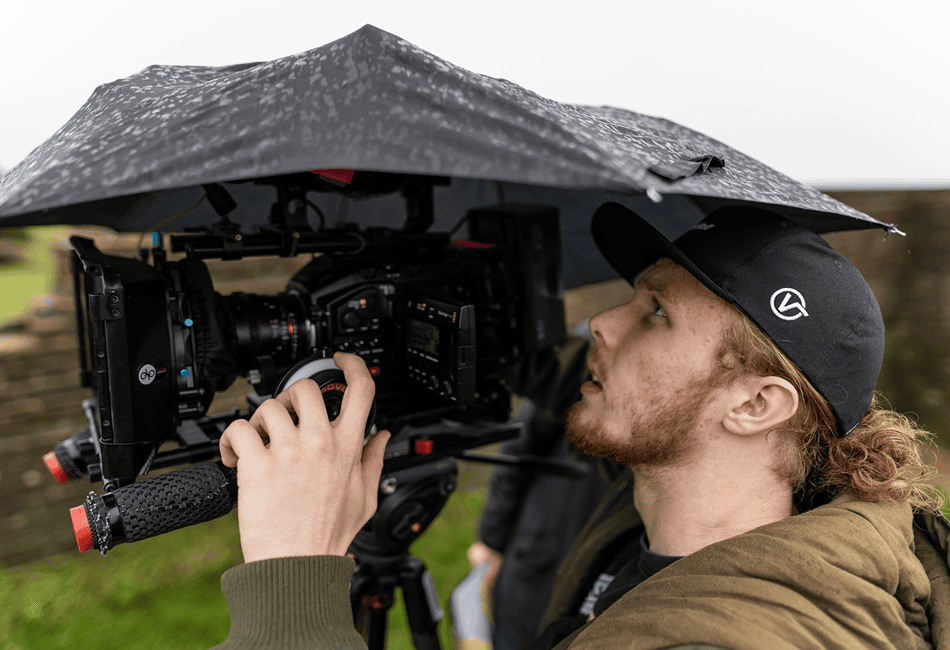
Weather is inherently erratic and can turn an ideal location into a logistical problem within weeks, especially in regions with sharp seasonal shifts. The result can be continuity issues, delays, unsafe working conditions, or damaged equipment. Don’t let this uncertainty dictate the budget.
Weather-related insurance helps create a solid plan and critical financial support for when the destination becomes unworkable. Although insurance does not protect from all the elements, be on the lookout for coverage gaps. “Act of God” clauses involving floods,hurricanes, snowstorms or other natural disasters can be vague, so producers should confirm exactly the types of events that trigger coverage and which exclusions remain.
Before you commit to any weather-related insurance policies, ask yourself these important questions:
- What are the seasonal weather patterns for the area?
- What potential weather concerns does my coverage need to address?
- Are all my concerns covered, or are there ambiguous conditions that need to be addressed?
Insurance: 3 Considerations Before You Sign
There are several coverage categories that every production should consider:
Cast insurance covers losses tied to injury, illness, or death of key personnel and can represent some of the largest production insurance claims made today. Projects involving stunts, animals, aircraft, special effects, water work, or hazardous locations may require additional coverage.
Weather coverage should be reviewed alongside local climate patterns, especially in areas prone to heavy snow, hurricanes, wildfires, extreme heat, erratic seasonal shifts, or flooding.
Completion bonds: If your production is being financed with the help of investors or lenders, you might need a completion bond, which guarantees delivery of the film but adds another cost layer that should be built into the budget at the start.
Crew Depth: What “Local Crew Base” Actually Means
It’s time to hire the crew. A strong incentive doesn’t always mean a film location has the crew depth a production needs, no matter what the project size. In smaller markets, filmmakers may find talented local teams but limited availability in specialized departments. While a location can have a great incentive program to help ease the financial strain, that does not mean it has a robust on-site local production crew. Bringing your own team guarantees the experience you want but puts more stress on your filming location budget through additional travel and accommodation costs.
So how do productions save money and time? It’s important to vet incentive programs on all aspects of their locations. Crew depth can be overlooked when comparing incentive programs, but once filming begins, a robust team can make all the difference. If a film office promotes a local crew base, ask which departments are strongest, how many workers are available at the production’s scale, and where shortages occur.

How Delays Compound Everything
Few costs compound faster than production delays. This is where contingency planning should be implemented for unique risks of the filming location. Preparing ahead of time for anything that can cause delayed shooting – i.e., weather, insurance gaps, crew shortages, etc. – is the first step. Even well-planned shoots can face unexpected issues or disruptions. Being proactive is key.
As you may already know, many productions set aside a contingency reserve of roughly10-15%. The filming location is the biggest indicator of how much of your budget should be allocated to the contingency reserve. However, the amount should reflect that in addition to crew availability, permitting complexity, production risk, and weather exposure.
What to Evaluate Before You Commit
Before you commit to any incentive program, insurance plan, or filming location, it is vital to be diligent in your research and continual management. A budget is not something to passively make; it needs to be actively maintained. To avoid common budgeting pitfalls, we’ve compiled a simple checklist to review before putting pen to paper:
- Review incentive eligibility, residency rules, documentation standards and audit requirements.
- Confirm whether city, county or local programs can be bundled with state incentives for layered savings.
- Request a line-item location cost estimate that separates pricing by permits, parking, staffing, insurance, restoration costs and other deposits.
- Review the location’s weather patterns to identify seasonal risks.
- Confirm insurance coverage for crew, cast, vehicles, weather, equipment, stunts, or hazardous work environments.
- Evaluate local crew depth by each department, not overall availability.
- Build a contingency reserve based on the filming location’s risk profile.
In Closing
While film incentives can make any location more attractive, they should never be the only factor to consider. The real price tag of filmmaking includes risks, logistics and rules, not just the location fee. Those who evaluate every aspect, including incentives, insurance,permits, crew, weather and contingency needs before committing to anything are betterpoised to protect the production’s budget and schedule
