

The magic on-screen is drawing crowds to filming locations, boosting local economic growth
By Sheila Zapata
Set the scene: Streaming-era hits like The White Lotus and Yellowstone didn’t just captivate viewers—they turned real locations into global tourism hotspots. This is “Cinematic Tourism 2.0,” where the end credits are just beginning for destinations. Today, a show’s setting can spark a travel boom overnight—from Sicily’s seaside resorts to Montana’s sprawling ranches, the screen has become the world’s biggest and most powerful travel brochure, sure to have audiences pack their bags and take on the challenge.
The ultimate resource for filmmakers is here! Download Destination Film Guide for free to explore stunning locations, production incentives, and expert planning tips.
What is Cinematic Tourism?
Cinematic tourism is a one-way path to seeing the real impact that films have on certain places. From a psychological standpoint, storytelling goes beyond aesthetics, serving as a powerful visual metaphor that can influence the audience’s emotions and perspectives.
They develop deep emotional connections with narrative, and it heightens attachment to the setting. It doesn’t just mean the setting is a backdrop—it becomes personal and brings people to experiences they’ve seen on screen. As more content is released on streaming platforms, people are increasingly interested in where their favorite movies and TV shows are filmed. This ends up increasing web searches, travel interest and bookings with the addition of significant revenue.

Case Studies in Destination Gold

San Domenico Palace in Taormina, Sicily
Film tourism has become a phenomenon, with travelers seeking to experience real-world locations from their favorite shows. Shows such as The White Lotus, Yellowstone, and Game of Thrones show how natural places can feed into narrative, inspiring viewers to plan vacations.
The White Lotus
Having its second season moved to San Domenico Palace in Taormina, Sicily, the resort became a travel destination for many fans. After the episode’s release, the hotel claimed that its bookings had risen by over 70% and were affecting the luxury travel industry as a whole.
Yellowstone
Montana had been transformed into a western tourism hotspot after Paramount’s Yellowstone. With a 15% increase in visitor spending, an estimated $200 million in additional revenue was generated. It has raised important questions about sustainability and authenticity in tourism development. It’s also developed property values in Montana, with small towns that were previously overlooked being popular with visitors from out of state.
Game of Thrones
Game of Thrones, one of the most popular TV shows in the world, increased visits to Dubrovnik, Croatia, by 10% annually. Northern Ireland’s Dark Hedges and Ballintoy Harbor have become iconic symbols of the show. Dedicated locations will soon be used for tours and to lend cultural significance to the show.
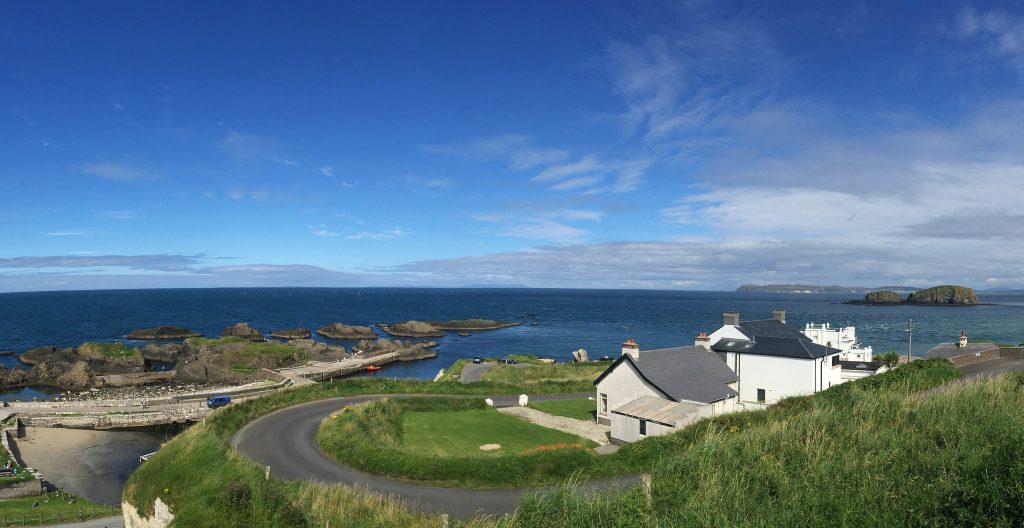
Northern Ireland’s Ballintoy Harbor
From Set to Strategy–Building Partnerships
Cinematic tourism excels when film and destination organizations collaborate, whether it be before, during or after filming. This process ensures productions run smoothly while continuing to lay the groundwork for future film tourism opportunities. To deepen engagement, DMOs design themed itineraries that increase film-induced tourism.
- Creative maps or digital guides on specific film locations from films
- Locate places that give guided tours on popular film locations
- Research fun locations and enjoyable restaurants inspired by movies
- Meet locals or crew members involved in productions
- Visit film festivals
Challenges to Manage

Dubrovnik, Croatia
As the industry grows, there are many challenges to overcome. There must be a balance between popularity and protection that iconic film locations need to uphold. Overtourism, the phenomenon where the number of visitors to a destination exceeds its capacity to manage, occurs in places such as Croatia and New Zealand, where popular film series were filmed.
An exciting adventure becomes an overcrowded, diminishing nightmare that diminishes visitors’ experiences. Another key issue is location wear-and-tear, as fragile environments aren’t designed to handle overcrowded scenes and can become damaged beyond repair. Community impact is an important aspect that increases outside visitation but often pushes locals and small businesses out of their homes. To remain sustainable, cinematic tourism must ensure that the benefits are returned to the community through jobs and local partnerships.
Sustainable Destination Branding Tips
Whenever a new series makes a fortune, it becomes an opportunity for new destination travel, but you need to keep that light from going out. To keep the spotlight lit, destinations should focus on long-term storytelling and incorporate film themes into cultural narratives. This helps to keep the visitation rates up and highlights what makes specific film locations so special. Turning temporary buzz into permanent appeal involves creating experiences that outlast the production.
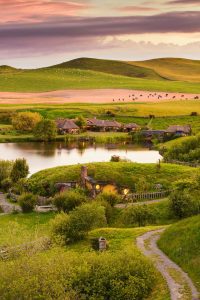
Hobbiton in New Zealand
Ways to do so would be consistent branding across campaigns, advertising merchandise and hosting events. Using modern technology, such as augmented and virtual reality (AR/VR), can help visitors explore locations digitally if they can’t leave the comfort of their own home, or reduce the physical impact while preserving fragile locations by decreasing overcrowding. Eco-conscious management involves integrating environmental considerations into business operations and decision-making processes; it’s emerging worldwide in the film tourism sector, such as New Zealand’s “Tiako Promise,” which encourages travelers to care for the land of The Lord of the Rings.
Ultimately, cinematic tourism proves that storytelling goes beyond the screen. It connects the emotions of many views and encourages the desire to travel to iconic film locations. Many locations saw their revenue increase due to popular series, and with strong partnerships and sustainable branding, the industry will blossom.
Stay in the know about top filming destinations! Subscribe to the Destination Film Guide newsletter and get expert insights, location highlights, and industry news straight to your inbox for free.