
By Frank Lynch
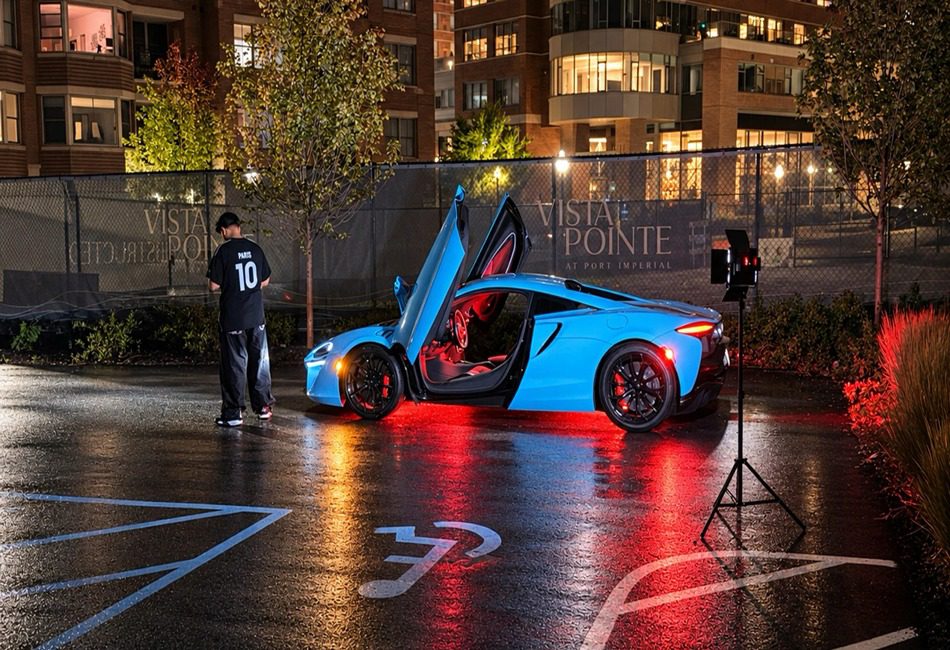
A production team can describe the perfect car in considerable detail: color, shape, interior, even how the doors should look in a particular shot. But that visual brief leaves another set of questions unanswered. Who will move the vehicle? Where can it wait? What happens when the location or wrap time changes?
Those details deserve their own brief before the rental is confirmed. A car that looks right for the scene still needs an agreed plan for arriving, being used, and leaving.
Describe what the car will actually do
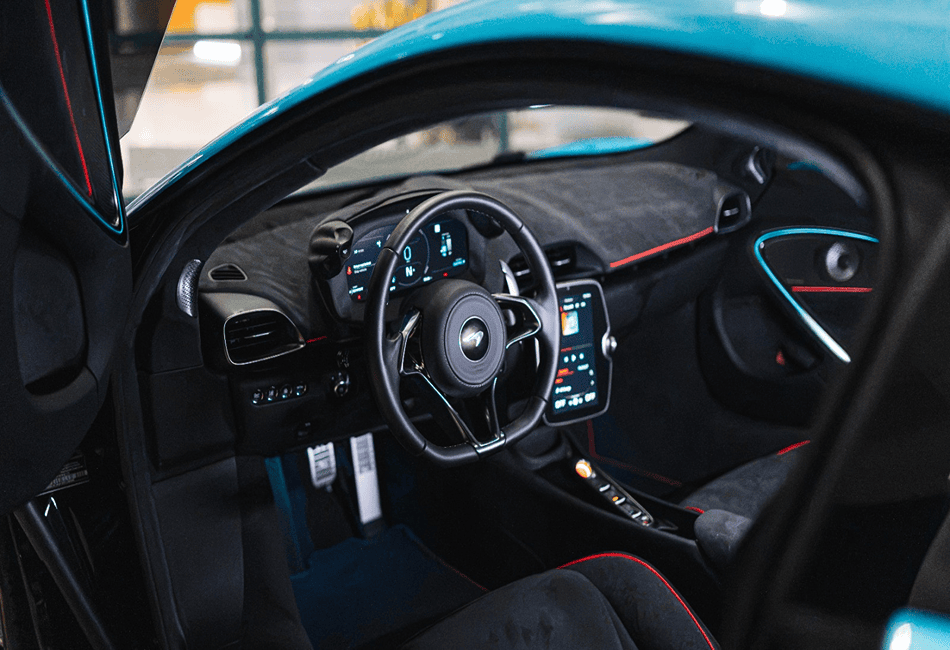
“Needed for filming” is a starting point, rather than a complete description. Explain whether the vehicle will remain parked, appear in moving shots or travel between locations. Mention any proposed camera equipment, temporary dressing or changes to its appearance.
Give the rental operator enough information to assess the request. Do not assume that an ordinary rental agreement permits every production use. Obtain written agreement on the intended activity before making commitments around the vehicle.
Name the people responsible for movement
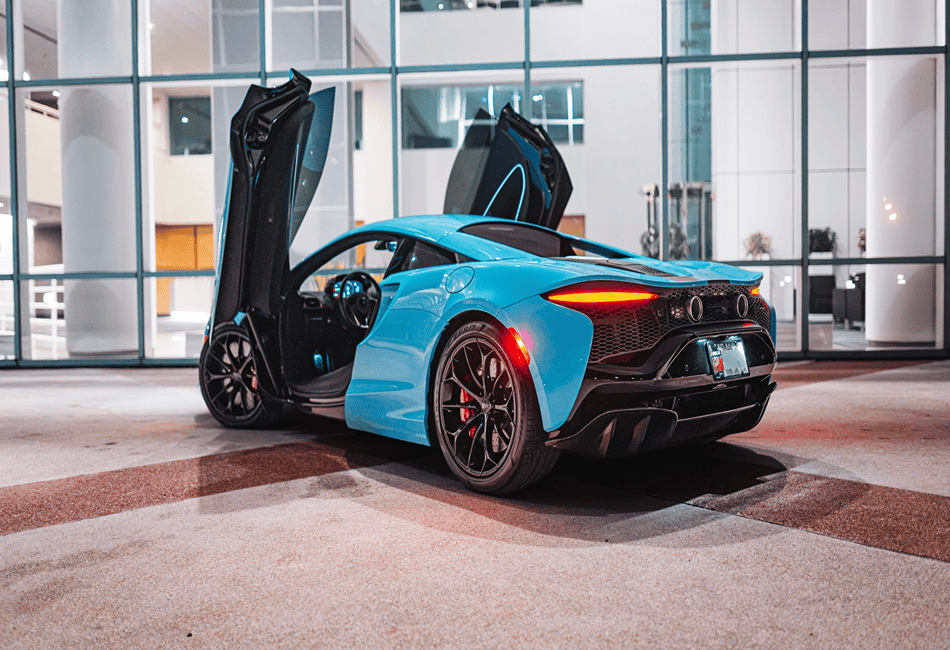
The person booking the car may never touch the keys. Identify everyone expected to drive or reposition it, including short moves between setups. Confirm driver approval and the applicable insurance arrangements with the operator.
Assign one production contact to coordinate changes. When several departments need the car, that person should know where it is, who has the keys and when it must be available. A last-minute request to move it should reach someone authorized to make that decision.
Separate the delivery address from the handoff point
A location address does not explain where a delivery vehicle can stop or where the rental car will be received. Confirm the actual meeting point, site access, waiting arrangements, and the person who will accept the vehicle.
Check practical restrictions with the location team, including entrances, clearances and loading arrangements. Keep the operator informed about access requirements. If the planned handoff point becomes unavailable, agree on an alternative rather than leaving the delivery driver to improvise.
Build the schedule around more than camera time
Include delivery, inspection, preparation and collection in the movement brief. The car may be needed before the first shot for positioning or continuity photographs, and it may remain on location after its final scene.
Explain how timing changes will be communicated and who can approve an extension. If production runs late, contact the operator before the agreed return time. Availability for another day or a different collection arrangement should be confirmed, not presumed.
Finish with a clear return plan
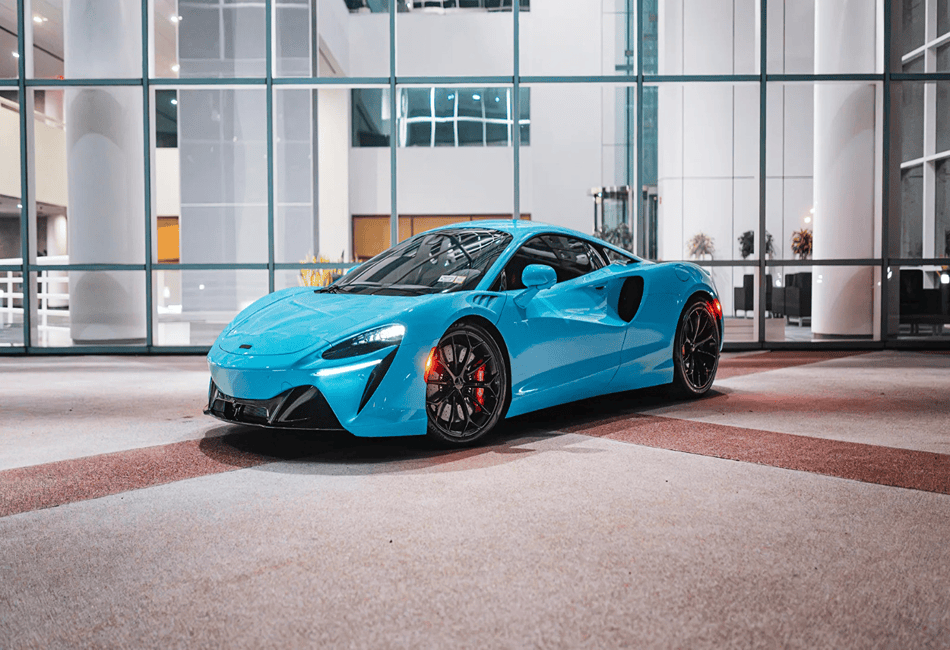
Before the team disperses, someone needs to complete the return. Agree who will meet the operator, where the vehicle will be accessible and how keys will be handed back.
Allow time to check its condition and remove approved production items. Record any concerns and pass them to the responsible contact promptly.
A useful movement brief can fit on one page: intended use, approved drivers, delivery and collection points, responsible contacts and timing changes. Keep it alongside the visual brief and update both when plans change. That gives the production team and rental operator a shared understanding of what has been agreed, before the car becomes part of a busy shooting day.
About the author
Frank Lynch is Operations Manager at Monarq Motors, a luxury and exotic car rental company based in Farmingdale, New York.
