

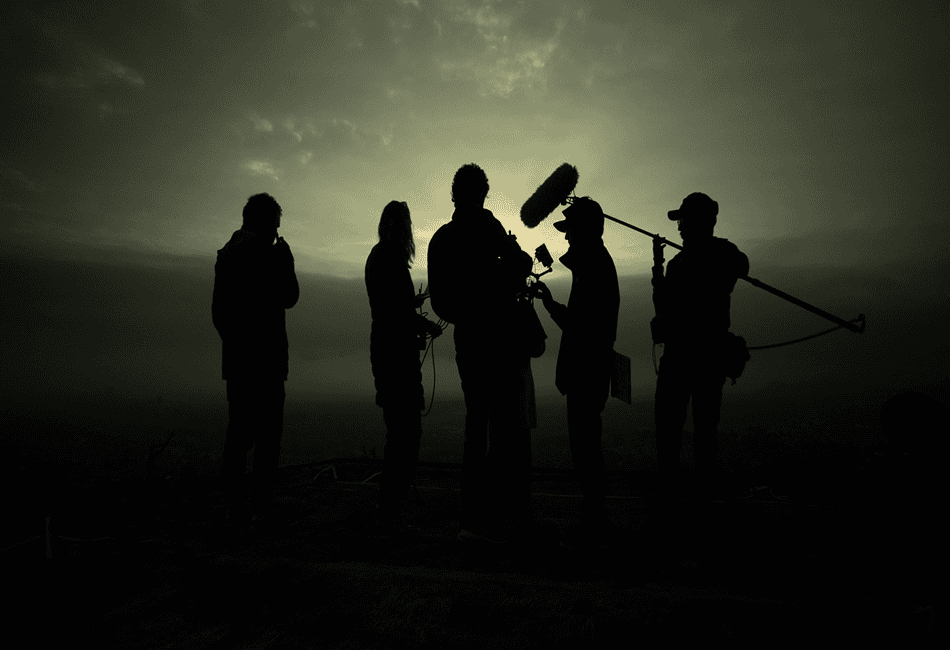
How location scouts evaluate sites differently for horror, romance and action – and how the same space can serve multiple creative visions
A great film location isn’t defined by what it looks like, but by what it can become. The same abandoned warehouse might anchor a tense horror film, stage an explosive action sequence, or transform into an intimate dramatic setting with the right lighting and production design. The location hasn’t changed, but the way it is interpreted has.
That’s why evaluating filming locations for different genres is about far more than finding a visually appealing space. Every genre places different creative and technical demands on a location, influencing everything from lighting and sound to access, safety and set dressing. A property that works beautifully for a romance may fall short for an action production, while an old farmhouse with natural wear and isolation might provide everything a horror film needs before a single prop is added.
For location scouts and producers, the question isn’t, “Is this a good location?” The question should be, “Is this the right backdrop for my story?” We help film industry experts break it down by exploring popular genres and the details of transforming any space into your perfect setting.
The Genre Lens: How Scouts Read a Space Before the Camera Does
Every location scout evaluates a property through three lenses: creative fit, technical viability, and logistical practicality. Those fundamentals rarely change, but the weight given to each depends entirely on the genre.
An action production may prioritize wide access roads, ceiling clearance, and safe stunt zones, while a romance film often depends on how natural light moves across the location throughout the day. Horror productions, meanwhile, may spend just as much time evaluating ambient sound as visual appeal because silence and atmosphere become part of the storytelling.
The production designer is equally important during genre-specific location scouting. Some spaces already communicate the mood, while others require extensive location dressing for film. Understanding how much transformation a location needs isn’t just a creative decision; it’s a budget determination.
The most effective scouts don’t simply see a building or landscape. They understand how its existing light, textures, acoustics, and layout can support an entirely different cinematic experience depending on the genre.
Horror: Isolation, Texture and the Sound of Dread
Few genres rely more heavily on a location’s natural character than horror. While production design can heighten fear, the strongest macabre locations already possess an unsettling quality that audiences instinctively recognize.
Physical Atmosphere
Successful horror film location requirements often include physical isolation, visible age, uneven architecture, and surfaces marked by time. Abandoned factories, aging farmhouses, dense forests and underground spaces naturally communicate unease without excessive set dressing.
Natural Lighting
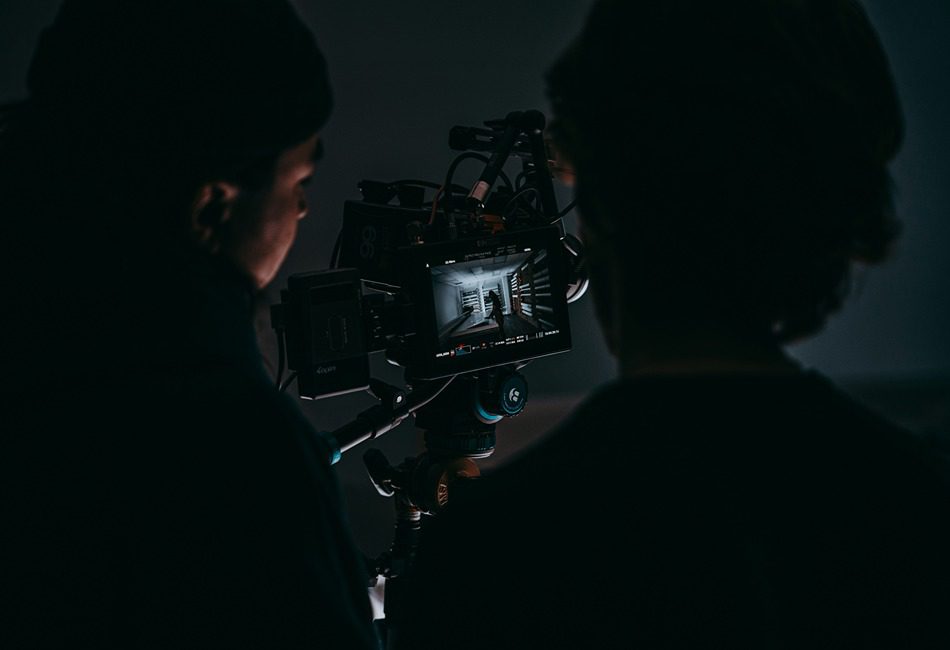
Lighting is just as important. Horror favors deep shadows, strong contrast, and areas that resist illumination. When location scouting for horror, scouts often observe how natural light behaves throughout the day, looking for spaces where darkness gathers naturally instead of requiring extensive lighting modifications.
Quiet on Set
Sound is another priority. Ambient traffic, aircraft, or mechanical systems can undermine scenes built around tension and silence, making sound isolation location scouting an essential part of the process. Productions like Hereditary and A Quiet Place demonstrate how carefully selected acoustic environments can amplify suspense before a musical score or visual scare ever occurs.
When a location already offers authentic texture, atmospheric lighting and usable sound, production designers can spend less time creating fear artificially and more time enhancing what’s already there.
Action: Space, Safety and Everything That Has to Move
An abandoned warehouse might look incredible in photos, but if there’s nowhere to rig a camera, no place for emergency vehicles to park and no safe path for stunt performers, it quickly falls off the shortlist.
Can the Stunts Fit?
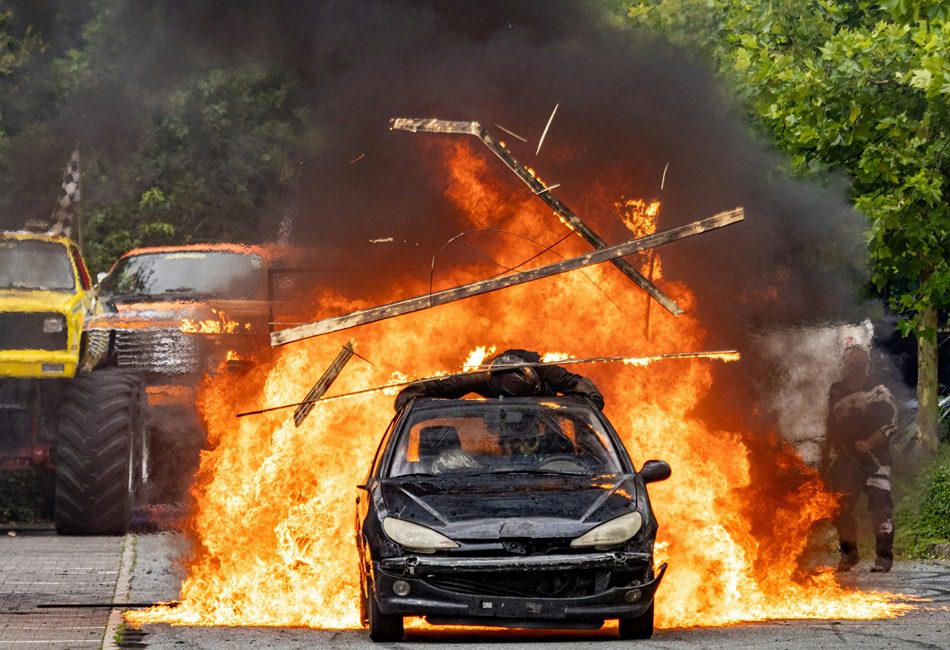
Finding the right action film stunt location begins with geometry. Corridor widths, overhead clearance, surface conditions, camera sightlines, and controlled access all influence whether a sequence is practical to film.
Understanding the Safety of Filming Locations
Because safety drives every decision, stunt coordinators typically inspect locations before they’re approved. Photographs can’t reveal uneven surfaces, escape routes, or potential hazards that affect stunt planning. Understanding stunt safety location requirements early helps productions avoid costly surprises during pre-production.
Large-Scale Stunts & Location Requirements
Infrastructure also matters. Large action productions often require equipment trucks, support vehicles, emergency access, and extensive permitting, particularly when filming in busy urban environments. Mad Max: Fury Road demonstrated how spectacular locations often demand equally impressive logistical planning, while films in The Bourne series highlight the challenges of coordinating action sequences within active city streets.
Romance: Light, Intimacy and Emotional Connection
Beautiful locations aren’t automatically romantic. In fact, some of the most visually impressive places make it surprisingly difficult to film intimate scenes.
Using Natural Sunlight & Diffusion
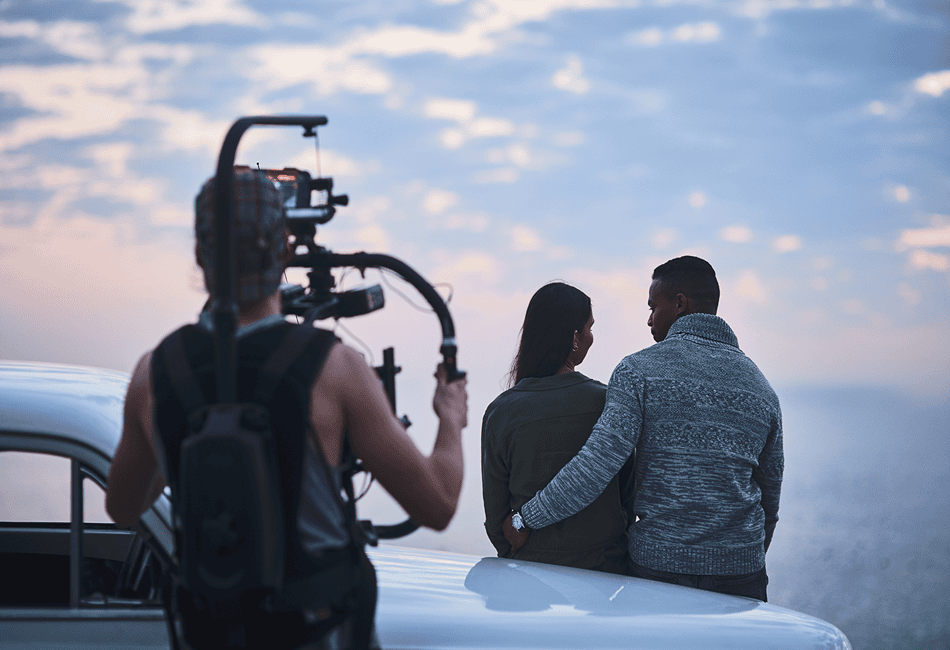
The most sought-after condition is golden hour romance filming, when low, warm sunlight creates soft, flattering images that naturally enhance emotional scenes. Cinematographers frequently revisit locations at different times of day to understand exactly how changing light affects the environment.
Natural diffusion is equally valuable. Overcast skies often provide even, flattering light that extends shooting opportunities beyond the brief golden-hour window, making coastal and valley locations particularly attractive for romance film location lighting.
Film Location Size Matters
Scale also shapes emotional impact. Gardens, quiet streets, waterfront paths, and covered porches naturally create intimacy without feeling confined. Brokeback Mountain illustrates how expansive landscapes can still support deeply personal storytelling when thoughtful composition and lighting keep the focus on the relationship rather than the scenery.
Production design completes the transformation, using subtle set dressing and warm visual elements to reinforce the emotional tone while allowing the location’s existing character to shine.
Drama and Beyond: What Other Genres Ask of a Location
While horror, action, and romance each have distinct priorities, every genre changes the way a scout evaluates a space. The goal is always the same: to find a location that supports the story. However, the qualities that make a location work vary depending on what the audience is meant to feel, not just see.
Authentic Over Theatrical
Drama, for example, values authenticity over spectacle. A location doesn’t need dramatic architecture or sweeping views if it already feels lived in. Worn hardwood floors, aging brickwork, family photographs, or the character of an established neighborhood can communicate years of history without relying on elaborate production design. These existing details reduce the need for extensive film location set dressing while helping actors and audiences believe in the world on screen.
Atmospheric Acoustics
Dialogue also drives many dramatic productions, making acoustics especially important. It’s a mistake newer scouts make all the time. They fall in love with the visuals and forget to stand still for five minutes and listen. That perfect brick alley suddenly isn’t so perfect when buses pass every ninety seconds. During production design location scouting, professionals often work closely with the sound department to balance atmosphere with practical recording conditions.
Ordinary Locations Offer Thrilling Observation
Thrillers occupy an interesting middle ground between drama and horror. Rather than relying on abandoned buildings or obvious decay, thrillers often create tension through controlled, everyday environments. Parking garages, office buildings, transit stations, hotels, and government facilities all carry an inherent sense of surveillance and restricted access. These locations encourage the audience to question who is watching and where danger might appear next.
Less is More
For period films and Westerns, the biggest challenge is often what doesn’t belong in the frame. Modern streetlights, utility poles, satellite dishes, parked vehicles, and cell towers can quickly break the illusion of another era. That’s why adapting locations for film genres sometimes means choosing a location with fewer contemporary distractions rather than one with the most impressive scenery. Every modern element that must be removed digitally or hidden through production design adds time and cost to the production.
One Location, Multiple Genres: When a Space Does More Than a Single Job
One of the most valuable discoveries during genre-specific location scouting is a property that can serve multiple creative purposes. These multi-use filming locations offer more than visual flexibility; they can significantly reduce production costs.
One Property, Many Settings
A single rural property with a farmhouse, wooded trails, open fields, and several outbuildings might double as a horror setting, a dramatic family home, or even an action location for a chase sequence. Keeping multiple scenes on one property reduces company moves, simplifies scheduling, and minimizes permit coordination.
Versatility Above Set Adapting
Versatile locations also make life easier for production designers. Neutral architecture, adaptable interiors, and varied natural surroundings provide a strong foundation for different creative directions. With thoughtful location dressing for film, the same room can shift from warm and inviting to unsettling or abandoned without requiring a complete rebuild. A location with neutral finishes and varied lighting conditions simply provides a stronger starting point than one with an overly specific identity that’s difficult to transform.
Adaptability is all about recognizing spaces with enough flexibility to become something entirely different. Of course, even the most adaptable location still requires creative investment. After all, production designers, cinematographers, and lighting crews shape how audiences experience a space.
The Best Locations Don’t Just Look Good, They Work for the Story
The most successful location scouts know that finding a beautiful property is only part of the job. The real skill lies in understanding how a location will perform under the unique demands of a production. When evaluating filming locations for different genres, it’s worth looking beyond first impressions.
Investigate how natural light behaves throughout the day. Listen to the surrounding environment instead of simply photographing it. Consider whether the layout supports stunt work, intimate conversations, or moments of suspense. Think about how much film location set dressing will be needed to achieve the desired look, and whether another location could accomplish the same result with less time and expense. Experienced scouts rarely ask whether a location is good. They ask whether it’s right for their story. And in filmmaking, that distinction often makes all the difference.
By Abby Shelton
