

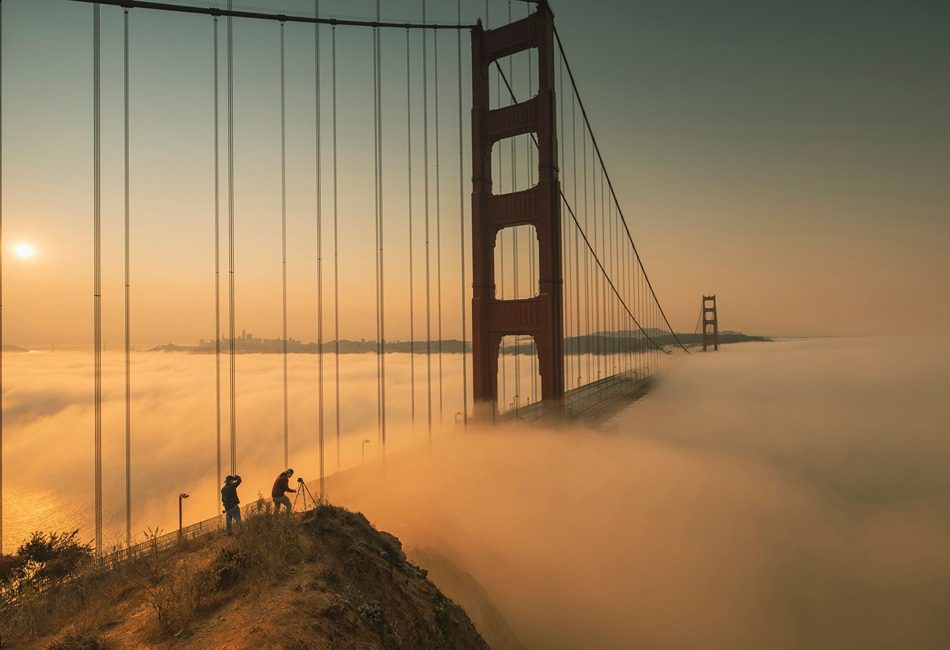
From Alberta snowfields to Pacific Coast fog belts, these locations give productions the seasonal reliability they need to stay on schedule
Chaos ensued during filming of parts of Jaws (1975) due to the mercurial Atlantic coastal climate, while The Revenant (2015) faced repeated schedule interruptions as production chased snow across multiple regions. From snow-reliable mountains to consistent sun-soaked desert landscapes and coastal microclimates with dependable fog, these North American locations help productions plan around the elements before they become costly delays.
How Weather Shapes Production & Budgeting
Reliable weather is both a creative asset and a budgeting tool. When it comes to the financial cost of production delays and budgeting for unforeseen events, consider the issues filmmakers face and how to address them.
Delays dilute budgets: Location fees, crew wages, and equipment rental costs continue even when the cameras stop rolling.
Continuity issues: A rapidly changing sky can force a full reset in a scene that requires consistent lighting.
Wind noise: Coastal gusts or desert winds can compromise audio and require costly post-production fixes.
Buffer days: Weather-sensitive shoots often build in extra days as insurance, increasing costs before delays occur.
More than forecast monitoring: Weather apps help, but historically consistent locations can reduce risk from the start.
What Makes a Location Weather-Reliable?
The best filming locations for seasonal weather offer more than predictable sunshine. A weather-reliable location provides seasonal stability, climatological regularity, or short recovery time between shifting conditions. Dependable locations also provide productions with proper infrastructure, equipment, local crews, and permitting support.
In production terms, reliability is a cost-control tool. Here are some of the most reliable regions in North America where the weather is so predictable that you could set your watch to it.
Mountain Regions Where Winter Delivers
For productions that need dependable winter conditions, mountain regions with long ski seasons and established snow infrastructure reduce the risk of costly weather resets. From Canada to California, several locations won’t disappoint when it comes to steady winter scenery.
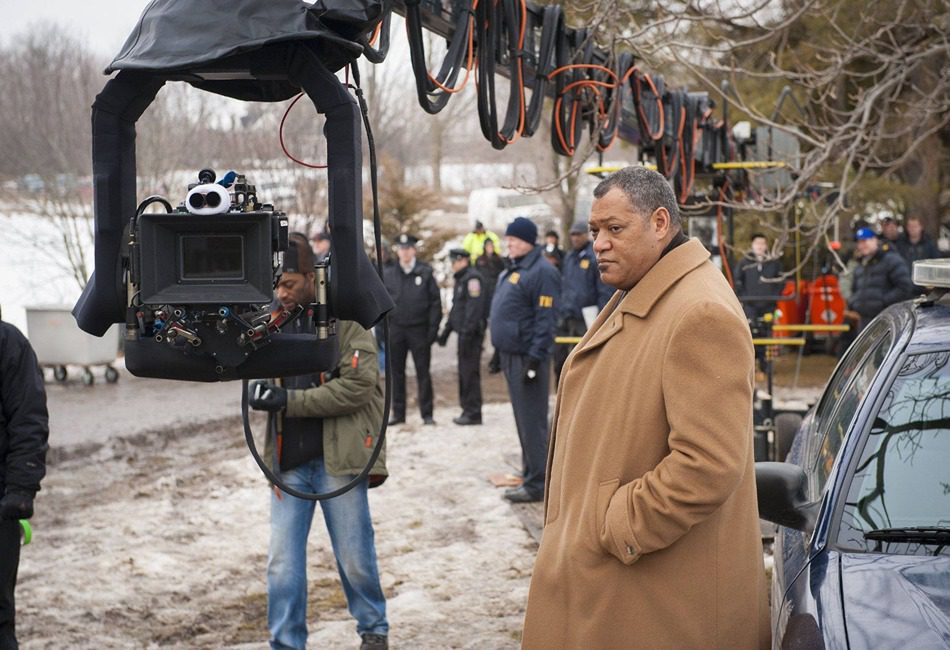
Alberta, Canada (Kananaskis, Canmore & Banff area)
Need a consistent winter environment that delivers reliable snow and dramatic mountain terrain? Alberta, Canada, offers more, with convenient proximity to Calgary’s exemplary infrastructure, making it one of the most-used winter destinations in North America.
The region is unusually versatile, with location managers stating that a roughly two-hour drive from Calgary takes you from soaring 9,000-foot snowfields down to sweeping prairies and small towns with quaint streetscapes.
Films shot here: The Revenant, Brokeback Mountain, The Last of Us, Inception, Hannibal (TV show), and Jumanji: The Next Level
Mammoth Mountain / Mammoth Lakes, Eastern Sierra Region, California
In the U.S., producers seeking deep snowpack and one of North America’s longest ski seasons can find them at California’s Mammoth Mountain. The mountain actively supports filmmakers by maintaining relationships with production companies for snow-specific scenes and offering specialized equipment and personnel for difficult shoots. Its mountain vistas have doubled for the Rockies, the Himalayas and the Alps.
Within a short radius, the broader Eastern Sierra region offers sparkling alpine lakes, ghost towns, sage valleys, hot springs, moon-type rock formations and expansive desert terrain.
Films shot here: Indiana Jones and the Temple of Doom, True Grit, Star Trek: Insurrection, The Scorpion King, Oblivion, The Golden Child (Mammoth Mountain Ski Area was used as a stand-in for the Himalayas)
Takeaway: In snow-dependent productions, reliable winter conditions are not just visual assets; they are scheduling safeguards.
Desert Filming Locations with Year-Round Stability
For productions that need sun, clear skies and low precipitation, Western desert regions offer long daylight hours and strong continuity across multi-day exterior shoots. These desert filming locations around North America are ideal for a range of projects.
Sonoran Desert (Arizona & Southern California)
One of the most scheduling-friendly regions in the U.S. for outdoor productions is the Sonoran Desert, which spans much of Southern Arizona and extends into Southern California. Filmmakers have access to ample sunshine and blue skies, allowing for extended production windows and reliable lighting for continuous filming.
Its highly specific visual identity is rooted in the American Southwest and Mexican frontier territory: towering saguaro cacti, dry basins, authentic ranchlands, mission-style architecture and rugged mountain backdrops. The region provides a valuable combination of dependable light and accessible desert locations, and has inspired film settings such as sci-fi landscapes, Western frontiers and Middle Eastern locales.
Films shot here: Tombstone; Three Amigos; Rio Bravo; Raising Arizona; Alice Doesn’t Live Here Anymore; El Dorado
Death Valley & Mojave Desert (Southern & Eastern California)
The Mojave Desert stretches from southern California to portions of Nevada, Arizona and Utah. It offers one of the most cinematic desert landscapes in North America, comprising rugged mountains, dry, Earth-cracked lake beds,sun-bleached valleys and stark, open highways. Natural lava fields and Joshua tree terrain can serve as stand-ins for distant planets or sprawling desertscapes, also perfect for American Westerns and period pieces.
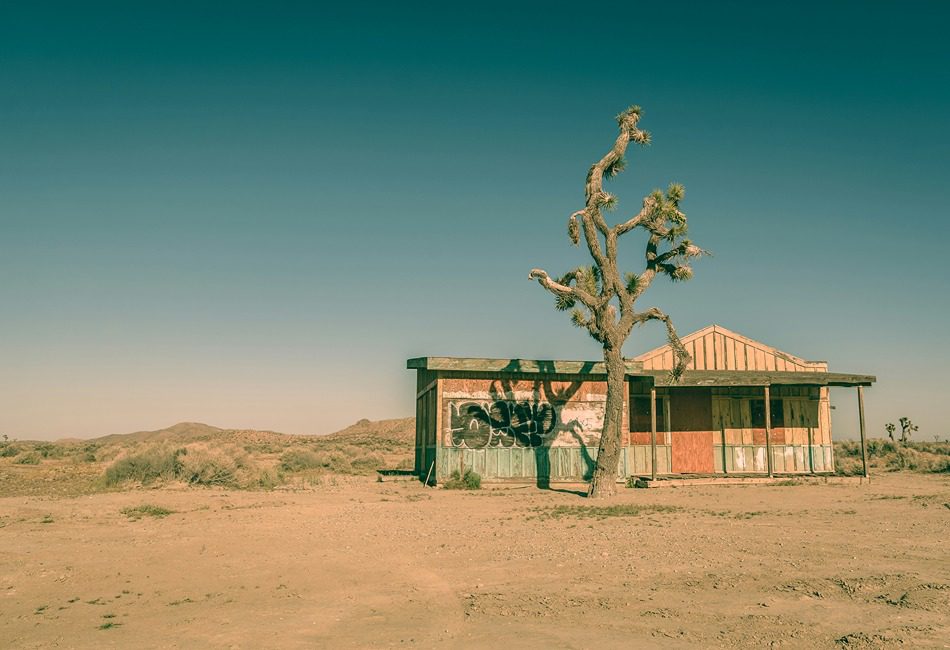
Death Valley, located in eastern California within the Mojave Desert, has served as a backdrop since the silent era, including in films such as Greed
(1924) and The Professionals (1966). Radical light conditions, vast salt flats, and windswept sand dunes lend visual textures from sunrise to sunset that are difficult to replicate elsewhere, while its aridity and consistent light support stable multi-day shoots. The Mojave Desert/Death Valley corridor continues to stand as one of the film industry’s most enduring natural backlots in North America.
Films shot here: Star Wars: Episode IV – A New Hope; Star Wars: Episode VI– Return of the Jedi; Robinson Crusoe on Mars; Cherry 2000; The Doors, Breakdown, Crazy in Alabama
Moab, Bryce Canyon Region & Bonneville Salt Flats (Utah)
Utah offers an unusually broad range of extreme natural landscapes within one state. Moab is filled with captivating red-rock arches, canyons, mesas, and desert roads, perfect backdrops for an alien planet or post-apocalyptic landscape. Bryce Canyon boasts mind-blowing hoodoos, high-elevation desert scenery, and pine-framed overlooks for a different visual character. The Bonneville Salt Flats provide expansive white plains and a naturally horizonless scale not found elsewhere.
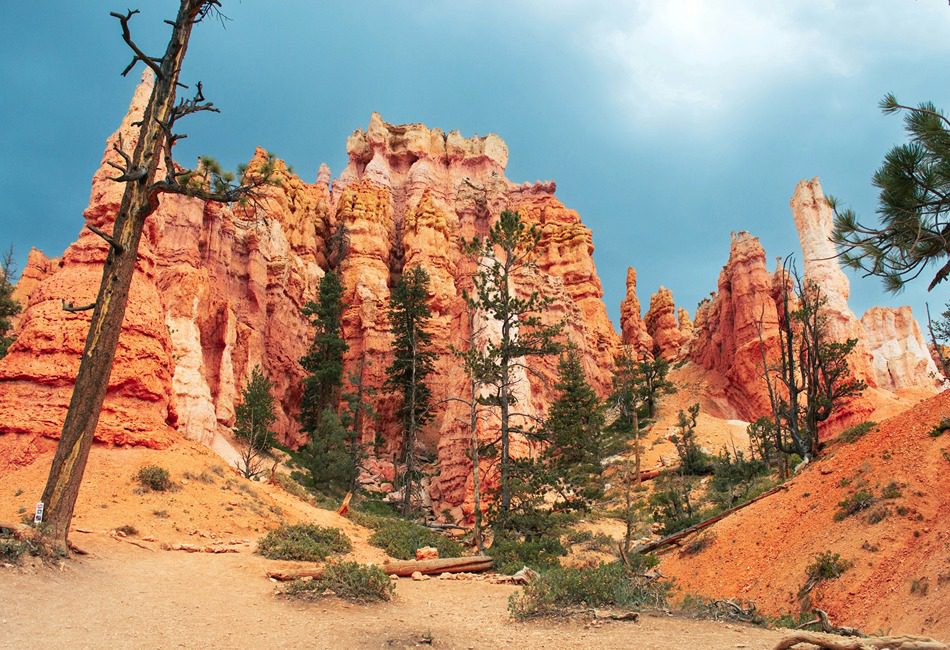
Utah’s seasonal range contributes to the state’s production-planning value: intense summer heat and long days, mild temperatures and stable skies in spring and fall, and higher-elevation snowfall in winter. Combined, these locations give filmmakers access to reliable options—from striking natural sculptures to surreal minimalist landscapes to surrounding alpine panoramas.
Films shot here: Thelma & Louise; Indiana Jones and the Last Crusade; Con Air; Mission: Impossible II; City Slickers II: The Legend of Curly’s Gold; 127Hours
Takeaway: Desert locations offer reliable lighting and scheduling security, but extreme heat can threaten equipment and crew safety. Productions should plan for early-morning or late-afternoon shoots and limit work during peak midday temperatures.
Microclimates as Cinematic Tools
Producers seeking natural weather elements to bolster a scene should consider regions with microclimates. These areas are localized atmospheric zones shaped by topography, elevation, or water proximity. When understood in advance, these patterns can turn mist, fog, snow, cloud cover, or filtered light into repeatable visual assets.
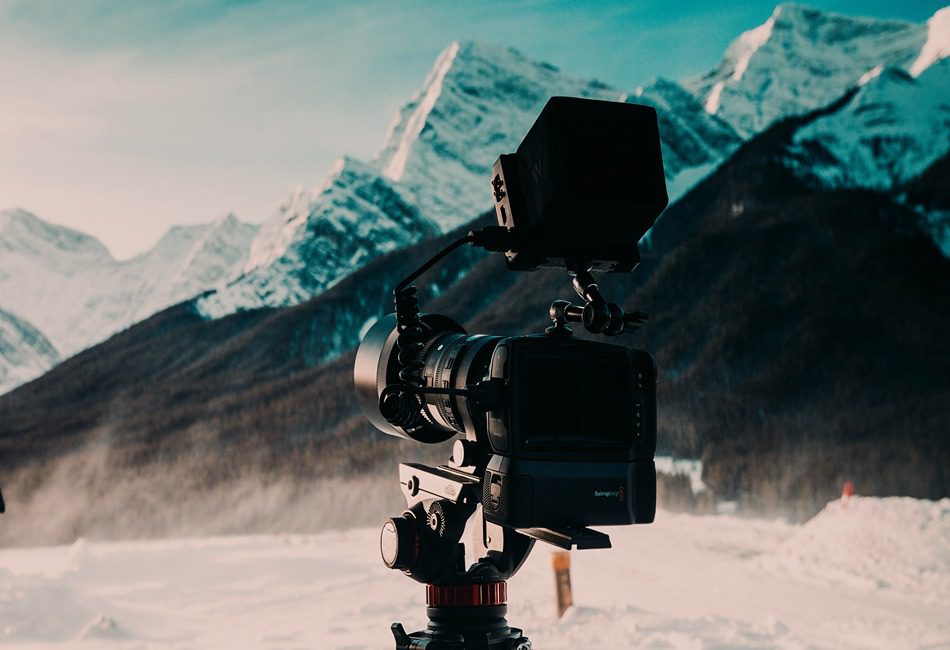
Alberta, Canada’s Predictable Winters – In the HBO series The Last of Us (2022), the Canmore area was used extensively thanks to its consistent snowy conditions and varied landscape. During the filming of Inception (2010), filmmakers used an actual snowstorm to enhance a scene.
Northern California Fog Belt – Driven by cold Pacific upwelling and the inland valley temperature difference, places like Point Reyes, Marin Coast, and the Bay Area afford filmmakers reliable atmospheric conditions for one-of-a-kind cinematography. The Fog (1980) was deliberately shot on the Northern California coast to use the region’s predictable fog banks for natural effects.
High Desert – In Northern New Mexico and the Eastern Sierra, elevated desert environments mean lower temperatures than in valley deserts. It also provides astonishing cloud formations and a quality of light that filmmakers can’t get at sea level. The clarity of the high-desert air provides long golden hours and more saturated color during sunrise and sunset.
Appalachian Valleys – Conditions throughout the sheltered Appalachian Valleys differ from nearby ridge elevations in that they provide predictable morning fog during the right seasons. Additionally, dense tree canopies provide filtered light that differs substantially from open environments.
These examples show how routine conditions can become creative assets when productions know where, when, and how to use them.
The Future of Reliable Weather
Even as climate change complicates long-term weather planning, certain regions across North America still offer valuable seasonal patterns, from dependable snowpack and desert sun to coastal fog and high-desert light. For productions, the advantage lies in choosing locations where natural conditions are not just beautiful, but strategically useful.
By Heather Dale
